Every Shelby GT350 feels special when you are standing next to it. That is not just owner bias talking. Ford did not build the S550 GT350 like a stripe package or a marketing exercise. It gave the car its own engine, its own personality, its own sound, and in the case of the GT350R, some of the most serious track hardware ever bolted to a production Mustang.
But once you get past the emotion, the numbers start to matter.
If you already own a GT350, you probably want to know where your car stands. Is your color common? Is your stripe combination rare? Did you accidentally buy one of the harder cars to find? And if you are shopping for one, you need to understand that not all GT350s sit in the same lane. A clean standard GT350 is one thing. A low-mile GT350R with carbon fiber wheels, original documentation, and the right color combination is something else entirely.
Across the 2015 through 2020 model years, Ford built 24,211 total Shelby GT350 and GT350R Mustangs. Of that number, 20,564 were standard GT350 models, while only 3,647 were GT350R models. That alone tells you the R is the rarer animal, but the real story gets better once you break it down by year, paint, stripes, and configuration.

Race results, how-to guides, and the stories worth knowing - straight to your inbox.

The Lowest Production Years
The 2015 model year is the king of rarity. Ford only built 137 total GT350 and GT350R cars for 2015. That breaks down to 100 GT350s and just 37 GT350Rs. For collectors, that first-year production number matters because it was the launch year, the volume was extremely low, and some of the color and stripe combinations get into tiny numbers fast.
After 2015, production jumped hard. In 2016, Ford built 6,169 total cars. In 2017, production peaked at 7,115 total cars. Then the numbers started coming back down with 4,378 in 2018, 3,595 in 2019, and 2,817 in 2020.
So if we are talking pure year-by-year scarcity, 2015 is in a class by itself. After that, 2020 becomes interesting because it was the final model year and had lower total production than 2016, 2017, 2018, and 2019. The final-year factor always matters in the Mustang world, especially when the car in question is powered by an engine Ford may never build again.

GT350 vs. GT350R
The standard GT350 is already one of the most important modern Mustangs ever made. The 5.2L Voodoo V8 produced 526 horsepower and 429 lb-ft of torque, used a flat-plane crankshaft, and carried an 8,250 rpm redline. Ford described it as the most powerful naturally aspirated road-going engine in company history at the time.
But the GT350R is where things get serious.
The R was not just a GT350 with different badges. It got carbon fiber wheels, more aggressive aero, revised suspension tuning, stickier tires, and a sharper overall purpose. Early cars even removed items like the rear seat and air conditioning unless optioned back in. This was Ford Performance building a car for people who cared more about lap times than comfort.
That is why the R holds a different place in the market. A standard GT350 is a special Mustang. A GT350R is a factory-built track weapon.

Why The Carbon Fiber Wheels Matter So Much
The GT350R’s carbon fiber wheels are one of the biggest reasons the car stands apart. Ford was the first major automaker to offer mass-produced carbon fiber wheels as standard equipment on a production vehicle with the Shelby GT350R. Ford worked with Carbon Revolution on the wheels, and the benefit was not just bragging rights. The wheels reduced rotational inertia by more than 40 percent, which helped acceleration, braking, steering response, and suspension behavior.
That is the kind of detail that separates the R from cars that simply look aggressive.
For buyers, though, those wheels also create responsibility. If you are shopping for a GT350R, wheel condition matters. Check for chips, cracks, repairs, curb rash, track damage, and replacement history. The carbon wheels are part of what makes the car valuable, so originality matters. A GT350R on the correct carbon fiber wheels is a different conversation than one sitting on aftermarket wheels with the originals missing.

Colors That Matter
Not every rare car is automatically desirable, but color absolutely matters with the GT350.
Some colors were higher volume across multiple years. Shadow Black and Oxford White were consistently among the bigger production colors. That does not make them bad. In fact, a black or white GT350 can look absolutely sinister when spec’d right. But if we are talking rarity, the colors that were limited to certain years are where things get interesting.
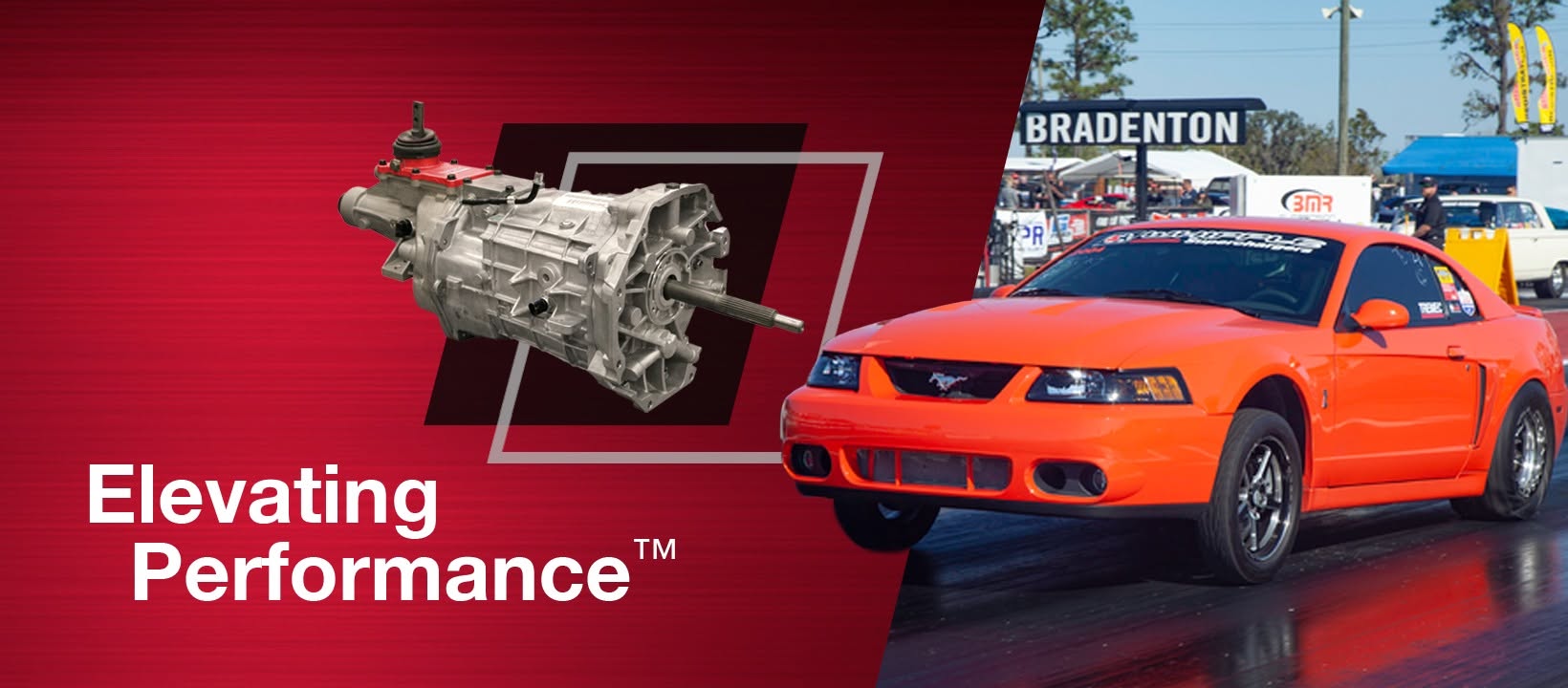
Competition Orange is a great example because it was only offered during the early run and was not available on the GT350R according to the production data. Lightning Blue is another important one because it gives the 2017 and 2018 cars a very specific identity. Lead Foot Gray is a 2018 standout. Ford Performance Blue arrived later for 2019 and 2020. Then there is Wimbledon White on the 2020 Heritage Edition cars, which has a direct visual tie back to the original 1965 GT350.
The 2020 Heritage Edition is especially important. Ford built 816 total Heritage Edition cars, split between 535 GT350s and 281 GT350Rs. Wimbledon White with Guardsman Blue striping gave the final-year GT350 a proper Shelby sendoff, and I think those cars will always have a special place with Ford loyalists.

The Rare Specs Are In The Details
This is where owners need to be careful. A color might not be rare by itself, but a color with a certain stripe setup might be. A GT350R in a common color can still be very rare when you drill down into the stripe combination. A no-stripe car can also hit differently because some buyers love the cleaner, more understated look.
The 2015 numbers show how quickly these combinations get small. In 2015, Race Red had only 8 total cars, with just 1 GT350R. Triple Yellow had 5 total cars, with only 2 GT350Rs. Deep Impact Blue had 18 total cars, with only 3 GT350Rs. Magnetic Metallic had 18 total cars, with 5 GT350Rs.
That is the kind of stuff that makes a Marti-style breakdown or official documentation matter. Two cars can both be GT350Rs, but one might be a fairly known combination while another could be one of a handful.
What Owners Should Know
If you own one, do not reduce your car to a number. The GT350 experience is bigger than production data. The way the Voodoo revs, the way the Tremec feels, the way the car sounds when it comes alive, that is why these cars became instant legends.
But the numbers do help you understand your car’s place in the story.
Keep your window sticker. Keep your build documents. Keep service records. If it is an R, protect the carbon wheels and document everything. If the car has been tracked, that is not automatically a problem, because these cars were built to be driven hard. But honesty and records matter.
What Shoppers Should Watch For
If you are shopping, buy the best car you can afford, not just the rarest one you can find. I would rather have a clean, documented, well-kept GT350 in a more common color than a neglected rare-color car with sketchy history.
Look for oil consumption history, service records, accident history, paintwork, wheel condition, tire age, brake wear, splitter condition, and whether the car still has its original parts. On GT350Rs, confirm the carbon fiber wheels are present and in good shape. On any GT350, confirm the car has not been poorly modified or cheaply returned to stock.
Rarity helps value, but condition protects it.

The Long-Term Shelby Conversation
The GT350 and GT350R hit during a special window for Ford Performance. These cars were not chasing horsepower headlines alone. They were about feel, response, sound, balance, and mechanical character. That is why loyal Ford owners connect with them so deeply.
The GT350R will always be the sharper, rarer, more serious version. The carbon wheels alone put it in a class by itself. But every GT350 matters because Ford built something that felt different from everything else in the Mustang lineup.
So where does your car stand?
Start with the year. Then look at GT350 versus GT350R. Then color. Then stripe. Then options. Then condition and documentation.
That is the real hierarchy. Not just rare, but rare, correct, cared for, and still carrying the soul Ford built into it.
Sources
- Mustang Fan Club: Shelby GT350 / GT350R Production Numbers
- Ford: 2019 Shelby GT350 engine specifications
- Ford / Carbon Revolution carbon fiber wheel information via ACMA source